Altay Travel Guide: Xinjiang's Fairytale Wilderness
Nestled along the southern slopes of the Altai Mountains in Northern Xinjiang—where the borders of China, Russia, Kazakhstan, and Mongolia converge—Altay Prefecture belongs to a realm of pure alpine magic. Here, crystal-clear glacial waters fill deep mountain basins, golden birch and larch forests carpet steep valleys, and wooden log cabins billow soft morning smoke into mist-shrouded skies.
Famed for the mythic beauty of Kanas Lake and the serene pastoral charm of Hemu Village, Altay stands as China's premier northern wilderness retreat. Whether you are drawn by autumn’s dazzling golden landscapes, rich indigenous nomadic traditions, or pristine winter powder, Altay offers an unforgettable escape into untouched nature.

What Makes Altay So Extraordinary?
Pristine Alpine Geography: Glacial lakes, jagged snow-capped peaks of the Altai range, dense larch and birch forests, and dramatic river bends form a landscape that rivals the Swiss Alps.
Living Tuva & Kazakh Heritage: Tucked away in quiet mountain valleys are centuries-old settlements of Tuva and Kazakh communities. Here, traditional wooden log cabins, horseback riding cultures, and ancient folkways remain an active part of daily life.
Seasonal Metamorphosis: Altay transforms dramatically across the year: emerald green meadows and wildflower carpets in summer, a dazzling ocean of gold, amber, and crimson in autumn, and a quiet, snow-bound fairytale kingdom in winter.
Top Attractions & Highlights in Altay
Kanas Lake & The Legendary Three Bays
Framed by dense pine forests and snow-capped peaks, Kanas Lake is famous for its ever-changing waters—shifting from turquoise to deep emerald depending on the season and sunlight—and the mysterious legend of the Kanas "Lake Monster."
Along the Kanas River, three magnificent river bends form the heart of the nature reserve:
Moon Bay (Yueliang Wan): A gentle, crescent-shaped river curve where birch trees reflect in pale blue waters.
Dragon Bay (Wolong Wan): Named for a lush green island in the center of the river that resembles a sleeping dragon.
Fairy Bay (Shenxian Wan): Famous for morning fog floating over shallow waters and grassy islets, creating an otherworldly, ethereal mist.

Hemu Village – China’s Most Picturesque Tuva Settlement
Surrounded by vast forests and gentle mountain slopes, Hemu Village is one of the last remaining strongholds of the indigenous Tuva people. Hand-hewn wooden log cabins dot open pastures where cattle and horses graze freely.
Highlight Experience: Rise early and trek up to the Hemu Observation Platform before dawn. As the sun breaks over the ridge, watch morning mist and chimney smoke drift slowly over golden birch canopies and wooden roofs.
Wucai Beach (Colorful Beach)
Located along the banks of the north-flowing Irtysh River (Yuerqisi River), Wucai Beach showcases a dramatic contrast of landscapes. On the north bank sits a striking Yardang mineral landform sculpted by wind and water into vibrant shades of red, yellow, purple, and ochre. Directly across the river on the south bank lies a lush green poplar forest, creating an unbelievable color contrast at sunset.
Indigenous Culture & Music of the Tuva People
The Tuva people are a small, distinct ethnic group with deep roots in the Altai region. Spending an evening in a cozy wood-frame house allows visitors to experience traditional hearthside hospitality, sample hot buttered milk tea, and listen to the haunting melodies of Khoomei (Tuva throat singing) played on the traditional horse-head fiddle (Matouqin).

Best Time to Visit Altay
Autumn Golden Harvest (September to October): This is Altay's most iconic season. From mid-September to early October, birch leaves turn brilliant gold, larches shift to warm orange, and skies remain crisp and clear—offering the ultimate playground for landscape photography.
Summer Alpine Splendor (June to August): Featuring pleasant temperatures between 18°C and 25°C, summer brings blooming mountain wildflowers, full-flowing glacial rivers, and green pasturelands teeming with grazing herds.
Winter Snow Kingdom (November to March): Known as one of the birthplaces of human skiing, Altay receives deep powder snow. Visitors can experience traditional fur-board skiing, horse-drawn sleigh rides (Mala Paozu), and tranquil snow-covered vistas.
How to Reach Altay: Travel & Transportation
Located in the far northern reaches of Xinjiang, Altay is accessible via regional transport hubs:
By Air: Fly into Altay Airport (JAT) or Kanas Airport (KJI) with connecting flights from Urumqi, Beijing, or Chengdu.
The Reality of Xinjiang Distances: Xinjiang is vast—over three times the size of France. Overland road trips between Urumqi, Kanas, and Hemu can require 6 to 8hours of long-distance driving per leg.
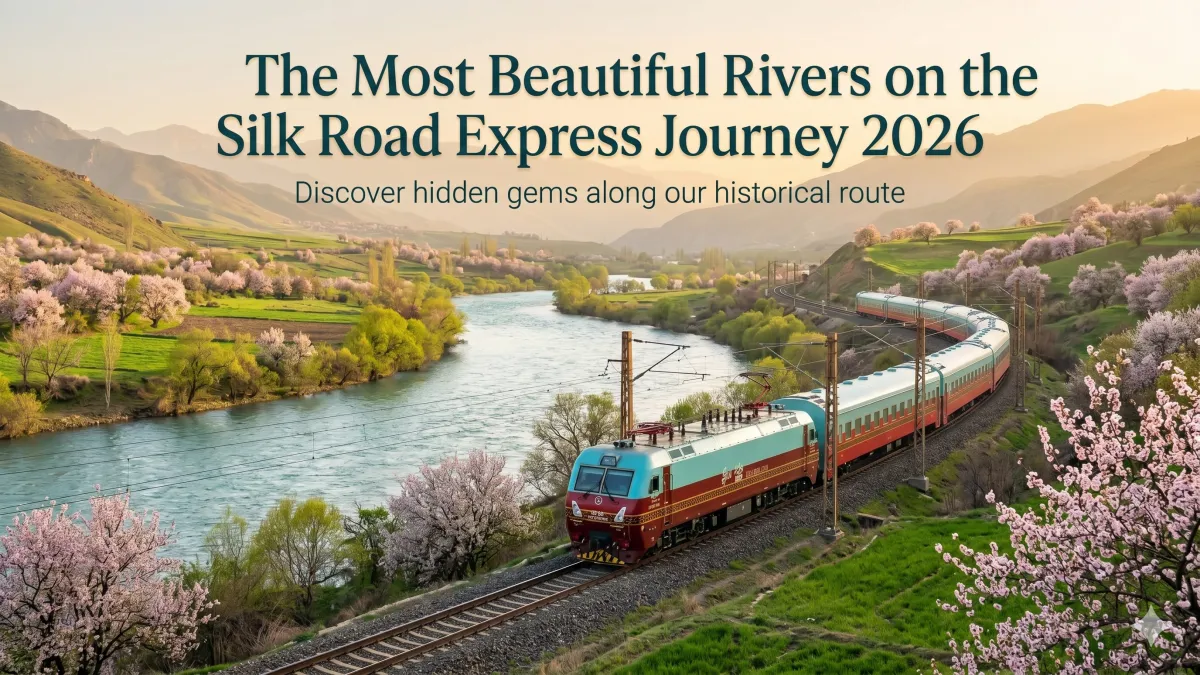
The Ultimate Journey: Altay Aboard the 2027 Silk Road Express
Traveling across Xinjiang’s immense distances can be exhausting by car or bus. To experience Northern Xinjiang in supreme comfort, travelers can embark on an extraordinary rail voyage aboard the Silk Road Express.
The 2027 Voyage: "17 Days 16 Nights Hidden Realms of Xinjiang"
This comprehensive luxury itinerary seamlessly connects both Northern and Southern Xinjiang in one continuous journey:
Luxury Onboard Living: Featuring 38 private en-suite cabins designed with refined Eastern aesthetics, a 270-degree panoramic observation lounge (Star Palace Lounge), fine dining curated by executive chefs, KTV lounges, tea salons, and cigar bars.
Curated Altay & Kanas Excursions: Step off the train for dedicated VIP shore excursions to Kanas Lake, the Three Bays, and Hemu Village—experiencing private cultural encounters and breathtaking viewpoints before returning to the luxury of your private cabin.
Complete Xinjiang Itinerary: Seamlessly linking Altay (Kanas & Hemu), Kashgar, Turpan, and Dunhuang without packing and unpacking or enduring long daily highway drives.
Learn More About the 2027 Silk Road Express: 17 Days 16 Nights Hidden Realms of Xinjiang