What Is Pu'er (Pu-erh) Tea? The Ultimate Guide to China's Most Mysterious Aged Tea
Picture a mountain valley in Yunnan Province, draped in morning mist. In a wooden guesthouse at the edge of an ancient tea garden, someone pours a cup of tea that has been aging for thirty years. The liquid is deep amber, almost mahogany. The aroma is unlike anything you would associate with a teabag. It smells of forest floor, dried fruit, and something older — something that has been slowly becoming itself for decades.
No other tea in the world works like this.
Pu'er (Pu-erh) tea — pronounced "poo-air" — is a fermented, aged tea produced exclusively in Yunnan Province, China. It is the only mainstream tea category that is designed to improve with age, the only one where a single cake of pressed leaves can appreciate in value over decades like a fine wine, and the only one with a production history so deeply intertwined with trade, medicine, and ceremony that understanding it requires a brief detour through Chinese history.
This guide covers everything: what Pu'er (Pu-erh) is, how it's made, what it tastes like, how to brew it, how to store it, and why it has been one of the most sought-after beverages in Asia for over a thousand years.
What Is Pu'er (Pu-erh) Tea? Origin and Definition
Pu'er (Pu-erh) takes its name from Pu'er City in southern Yunnan Province, which served as the primary collection and distribution hub for the region's tea trade from the Tang Dynasty onward. The tea itself is produced from the large-leaf varietal of the tea plant — Camellia sinensis var. assamica — which thrives in the subtropical climate of Yunnan's mountain valleys and produces leaves with a higher concentration of polyphenols and enzymes than the small-leaf varieties used for green or white tea.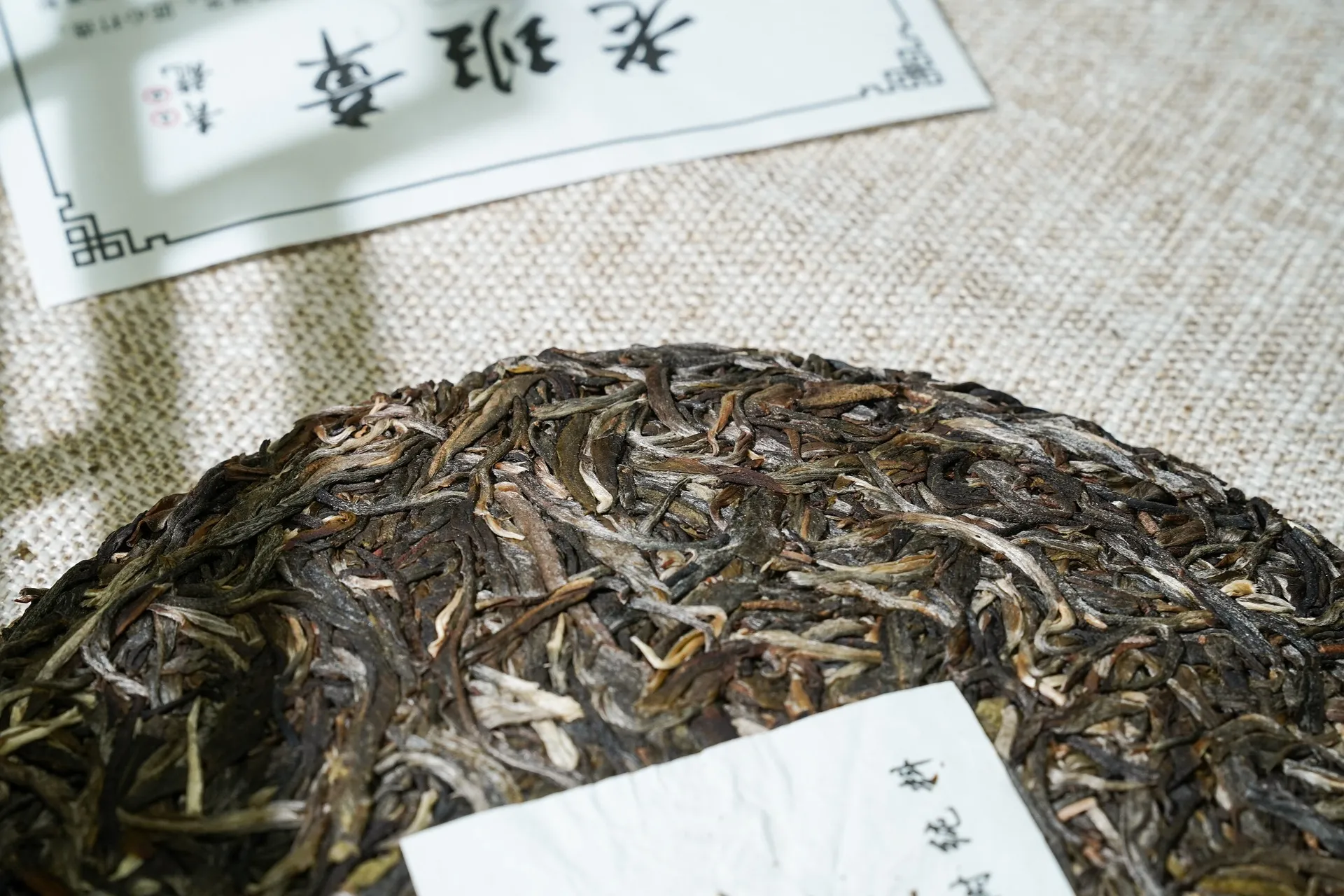
The defining characteristic that separates Pu'er (Pu-erh) from every other tea category is post-fermentation. Where green tea is produced to be consumed fresh, and oolong is oxidized to varying degrees before the process is stopped, Pu'er (Pu-erh) undergoes microbial fermentation that continues after production — and in the case of well-stored cakes, continues for decades. This ongoing biological transformation is why aged Pu'er (Pu-erh) develops flavor complexity that young versions simply cannot replicate, and why serious collectors treat it as an investment as much as a beverage.
A quick note on spelling: Pu-erh is the older Wade-Giles romanization still widely used in Western tea markets, while Pu'er is the modern Pinyin spelling adopted by the Chinese government. Both refer to exactly the same tea. Throughout this guide, both forms appear to reflect how the tea is searched for and discussed in English.
Historically, Pu'er (Pu-erh) traveled the Ancient Tea Horse Road (Chamadao) — a network of mountain trade routes connecting Yunnan with Xizang, Southeast Asia, and Central Asia. Tea was compressed into cakes or bricks for the simple reason that packed tea survived the months-long journey by mule and horse caravan far better than loose leaves. The compression also had an unintended benefit: it slowed oxidation and created ideal conditions for the slow microbial fermentation that turned ordinary tea into something extraordinary by the time it arrived at its destination. What began as a preservation necessity became the defining feature of the world's most complex tea.
Pu'er (Pu-erh) Tea's Two Categories: Sheng vs. Shou
This is the most important distinction in Pu'er (Pu-erh), and the one that causes the most confusion among new drinkers. There are two fundamentally different types of Pu'er (Pu-erh), produced by entirely different methods and offering entirely different experiences.
Sheng Pu'er (Raw / Green) | Shou Pu'er (Ripe / Cooked) | |
Process | Natural aging; sun-dried maocha pressed into cakes | Accelerated wet-pile fermentation (wo dui) |
Color | Young: pale green-gold → Aged: deep amber | Deep brown to black |
Flavor | Young: floral, vegetal, mildly bitter with strong huigan; Aged: smooth, leathery, complex | Earthy, forest floor, dark chocolate, dried mushroom |
Aging potential | 10–50+ years | 5–15 years optimal |
Best for | Collectors, experienced tea drinkers | Beginners, everyday drinking |
Sheng Pu'er is the original form. After harvest, the leaves are sun-dried (shaiqing), compressed, and then left to age naturally. Young sheng can be pleasantly bitter and astringent with a pronounced floral character and the distinctive throat sensation Chinese tea culture calls huigan — a returning sweetness that emerges several seconds after swallowing. As sheng ages over years and decades, the bitterness transforms into something smoother and more layered: notes of camphor, dried fruit, leather, and aged wood begin to emerge, and the best aged sheng cakes become genuinely irreplaceable.
Shou Pu'er was developed in 1973 at the Kunming Tea Factory as a deliberate attempt to accelerate the aging process and make the smooth, earthy character of aged sheng accessible without waiting decades. The wo dui (wet-pile fermentation) process piles maocha in a warm, humid environment and inoculates it with microbial cultures, compressing years of natural fermentation into a matter of weeks. The result is a tea that is earthy, dark, and deeply mellow from day one — without the bitterness of young sheng and without the decades-long wait.
For new drinkers, shou is the right starting point. Its flavor profile is more immediately approachable, it is significantly less expensive than aged sheng, and it gives you a foundation for understanding what Pu'er (Pu-erh) is before exploring the more demanding world of raw tea.
What Does Pu'er (Pu-erh) Tea Actually Taste Like?
Describing Pu'er (Pu-erh) flavor to someone who has never tried it is genuinely difficult, because the flavor is not static — it changes from steep to steep, from year to year, and from terroir to terroir in ways that few other beverages can match.
Young sheng tends toward the vegetal and floral: notes of fresh hay, orchid, and green melon, with a pronounced bitterness on the mid-palate that resolves into huigan — that returning sweetness in the throat that experienced drinkers specifically seek out. It can be intense and somewhat demanding for new drinkers.
Aged sheng (10+ years) is a different category of experience. The bitterness has softened or disappeared entirely, replaced by camphor, dried apricot, leather, and a silky texture that coats the mouth. The finish can last for minutes. Well-aged sheng from famous production areas can have a complexity that rivals aged Burgundy wine — and commands similar prices.
Shou Pu'er is earthy, warm, and deeply comforting. Common tasting notes include forest floor, humus, dark chocolate, dried black mushroom, and occasionally a hint of dried longan or dates. New shou sometimes carries a slight dui wei — a fermentation smell sometimes described as fishy or barnyard — that dissipates with a few months of open air storage and is not a sign of poor quality.
One of the most distinctive pleasures of Pu'er (Pu-erh) is the way each successive steep changes the cup. A gongfu session with a good cake might yield 10 or more infusions, each with a subtly different flavor profile. The tea does not simply repeat itself; it unfolds.
Production origin also shapes flavor significantly. Menghai County teas tend toward earthy depth and full body. Yiwu teas are known for their delicacy, floral notes, and long finish. Nannuo Mountain produces a rounder, more approachable character. These are not marketing distinctions — they are real differences that experienced drinkers can identify blind.
Pu'er (Pu-erh) Tea Health Benefits: What the Research Shows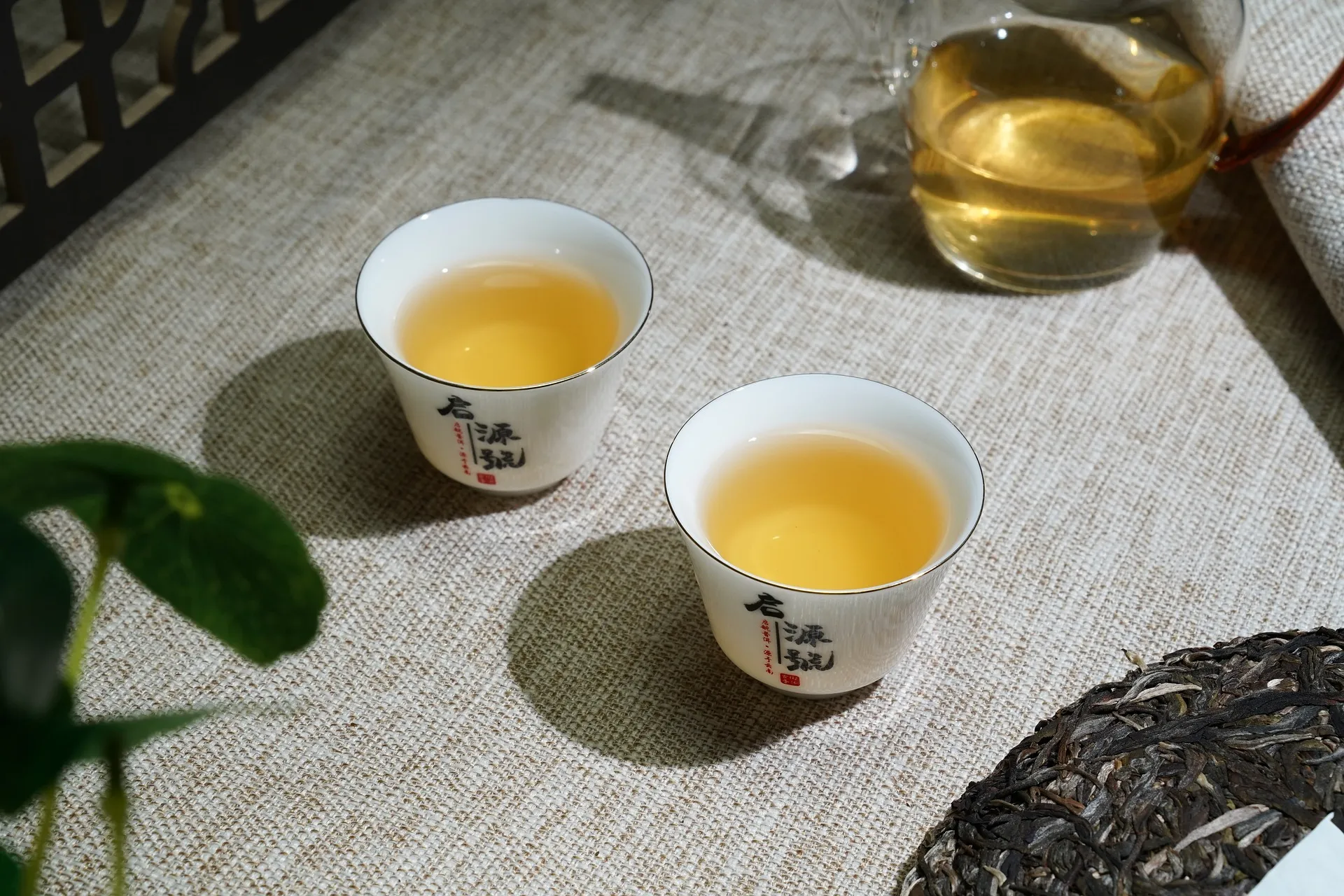
Pu'er (Pu-erh) has been used medicinally in Yunnan for centuries, and modern research has begun to provide biochemical explanations for its traditionally attributed benefits. The following represents the current state of evidence — promising but ongoing.
Weight management: Studies suggest Pu'er (Pu-erh) may inhibit fatty acid synthase (FAS), an enzyme involved in fat production, while activating hormone-sensitive lipase (HSL), which breaks down stored fat. Human clinical data is still limited, but the mechanisms are plausible.
Gut health: The fermentation process produces beneficial microbial metabolites that may support a healthy gut microbiome, including a reduction in the Firmicutes/Bacteroidetes (F/B) ratio associated with metabolic health.
Cholesterol reduction: Multiple studies — primarily in animal models and small human trials — show reductions in LDL cholesterol and triglycerides with regular Pu'er (Pu-erh) consumption. Shou tends to show stronger effects in this area than sheng.
Antioxidant activity: Pu'er (Pu-erh) contains polyphenols, catechins, and theaflavins that neutralize free radicals, though the specific profile differs from green tea due to the fermentation process.
Digestion: Traditional use after fatty meals has some biochemical backing — tea polyphenols and flavonoids appear to support fat metabolism, and the tea has long been used in Tibetan culture as a digestive aid alongside high-fat diets.
Steady energy: A cup of Pu'er (Pu-erh) contains approximately 30–100mg of caffeine alongside L-theanine, the amino acid that modulates caffeine's stimulant effect. The result is a more focused, sustained vigilance without the spike-and-crash pattern associated with coffee.
How to Brew Pu'er (Pu-erh) Tea
Western Method (Beginner-Friendly)
For drinkers new to Pu'er (Pu-erh) or without dedicated teaware, this approach works well and requires no special equipment.
● Quantity: 2 spoons of loose leaf or broken cake per 250ml
● Water temperature: 100°C / 212°F — full boiling water, always
● Steep time: 3–5 minutes
● Re-steeps: 2–3 additional infusions, adding 1–2 minutes each time
Gongfu Method (Traditional)
This is how Pu'er (Pu-erh) is drunk in Yunnan and across serious tea culture in China, and it produces a fundamentally different — and considerably more interesting — experience.
● Quantity: 5–7g per 100–120ml vessel (gaiwan or Yixing clay teapot)
● Water temperature: 100°C / 212°F, full boil
● The rinse (醒茶, xǐng chá): Before the first drinking steep, pour boiling water over the leaves, swirl briefly, and discard after 5–10 seconds. This removes any compression dust, opens the leaves, and eliminates any storage notes. Do not skip this step.
● First steep: 10–15 seconds
● Subsequent steeps: Add 5 seconds per infusion
● Total steeps: A good cake can yield 8–15+ infusions
Three things to remember:
1. Always use fully boiling water. Pu'er (Pu-erh) is not green tea — it needs heat to open properly.
2. Use a Pu'er pick (pu'er zhen) to pry leaves along the natural compression lines of a cake. Do not snap or crush the cake — intact leaf structure is essential for even steeping.
3. Never skip the rinse. It is not optional.
How to Store Pu'er (Pu-erh) Tea at Home
Pu'er (Pu-erh) is a living tea — the microbial activity that gives it its character does not stop at the point of purchase. Stored correctly, a cake you buy today will be a different, better tea in five or ten years. Stored incorrectly, it will be ruined.
Ideal conditions:
● Humidity: 60–75%
● Temperature: 15–30°C / 59–86°F
● Ventilation: good airflow, never airtight
● Light: dark or low light
● Odor: far from spices, coffee, cleaning products, or any strong-smelling materials. Pu'er (Pu-erh) absorbs ambient odors readily.
What to avoid:
● Refrigeration — the cold suppresses fermentation and introduces moisture condensation
● Sealed plastic bags or airtight containers
● Any proximity to strong smells
The compressed cake format is ideal for home aging precisely because the density of the pressed leaves slows oxidation relative to loose leaf, extending the development window. Keep cakes in their original wrapper, store in a ventilated wooden or cardboard box, and check periodically.
Two regional storage traditions produce different results: dry storage (typical of Kunming's low-humidity environment) produces a slower, cleaner fermentation with more delicate flavor evolution; wet storage (associated with Hong Kong's high-humidity warehouses) accelerates aging but can produce earthier, more aggressive flavors. Neither is categorically superior — they produce different styles, each with its advocates.
How to Buy Pu'er (Pu-erh) Tea: A Buyer's Guide
Pu'er (Pu-erh) comes in several physical forms:
● Bing cha (饼茶) — the classic flat disc, most common format for aging
● Zhuan cha (砖茶) — brick shape, historically used for trade
● Tuo cha (沱茶) — bird's nest bowl shape, popular for individual portions
● Loose leaf (散茶) — uncompressed, brews easily but ages less predictably
The most important buying advice: be skeptical of aged tea claims. Counterfeit aged Pu'er (Pu-erh) is a genuine market problem. Reputable vendors provide clear provenance information, production year, and factory details. Suspicious pricing — very cheap "30-year-old" cakes — is almost always a red flag.
Price orientation:
● Entry-level shou for daily drinking: $10–30 per cake
● Good-quality young sheng from known production areas: $30–80
● Aged sheng (10–20 years) from reputable storage: $80–300+
● Collector-grade aged sheng from famous mountains: $500 to several thousand dollars
For new buyers: start with a 3–8 year aged shou from a reputable vendor. It is forgiving to brew, immediately enjoyable, and gives you a stable reference point before spending more on aged sheng.
Want to Travel Through Pu'er (Pu-erh) Country?
Most people encounter Pu'er (Pu-erh) at a tea shop or online. There is another way.
The Silk Road Express by Glamour Trains travels directly through the two regions most central to Pu'er (Pu-erh) history: Xishuangbanna, where Yunnan's ancient tea trees have grown for centuries, and Dali, a city that sat at the crossroads of the Ancient Tea Horse Road for generations. The landscape you read about in every Pu'er (Pu-erh) origin story — this route passes through it.
→ Hidden Wonders of Southwest China-Train of Glamour
Pu'er (Pu-erh) Tea Culture: The Story of the Ancient Tea Horse Road
To understand Pu'er (Pu-erh) fully, you need to understand the road it traveled.
The Ancient Tea Horse Road — Chámǎ Gǔdào (茶马古道) in Chinese — was one of the most demanding trade networks in human history. Starting in the tea gardens of southern Yunnan, it wound north and west through extreme terrain: the deep gorges of the Salween and Mekong rivers, the high passes of the Hengduan Mountains, and finally up onto the Tibetan Plateau. The journey from Yunnan's tea gardens to Lhasa could take several months by mule and horse caravan.
Tea on this road was not a luxury. For Tibetan communities whose high-altitude diet centered on yak butter, tsampa barley, and meat, the polyphenols and digestive enzymes in Pu'er (Pu-erh) were a nutritional necessity. The compressed cake and brick format was designed entirely around the demands of the journey — dense enough to survive months of transport, slow enough in fermentation to arrive still evolving and improving.
Pu'er (Pu-erh) also served as currency. In the borderland economies of southwestern China, pressed tea cakes were traded for Tibetan warhorses, salt, wool, and medicinal herbs. The exchange rate between tea and horses gave the road its name. A region's prosperity could be read directly in its access to Yunnan's tea supply.
Xishuangbanna (Sipsongpanna): Where Pu'er (Pu-erh) Begins
The subtropical valleys around Jinghong in Xishuangbanna contain some of the oldest cultivated tea trees on earth. These gushu (古树) — ancient trees, some several hundred years old — produce leaves that command the highest prices in the Pu'er (Pu-erh) market. The Dai people of this region have been processing tea here for longer than written records capture. Famous production mountains such as Nannuo, Bulang, and Nanqiao all fall within this region, each producing leaves with a distinct flavor signature tied to soil, elevation, and microclimate.
Standing beneath a gushu tree with a trunk wider than your arm span and a canopy rising fifteen meters above an undisturbed forest floor reframes what the word "terroir" means in a way that no tasting note can.
Dali: The Tea Horse Road's Great Crossroads
Dali sits at the convergence of several ancient trade routes, and for centuries the walled city on the shores of Erhai Lake served as the commercial hub where tea from the south was consolidated, taxed, and dispatched further north and west toward Xizang and Central Asia. The Bai people of Dali developed their own tea ceremony — sān dào chá (三道茶), or "three-course tea" — a philosophical ritual that moves through three stages: bitter first, then sweet, then a lingering reflective finish. It is a framework for drinking that doubles as a framework for living.
Today, the markets around Dali's ancient walled city still carry pressed Pu'er (Pu-erh) cakes alongside the region's other trade goods. The connection between geography, history, and what is in the cup is closer to the surface here than almost anywhere else in China.
Pu'er (Pu-erh) Tea FAQ
Does Pu'er (Pu-erh) tea contain caffeine?
Yes. A cup contains approximately 30–100mg of caffeine depending on type, steep time, and quantity of leaf. Shou generally runs lower than young sheng. The presence of L-theanine moderates the stimulant effect, producing focused vigilance rather than a caffeine spike. One to two cups daily is well within normal limits for most people.
Does Pu'er (Pu-erh) tea expire?
No. Properly stored Pu'er (Pu-erh) does not expire — it continues to ferment and develop over decades, generally improving with age. Poor storage (excess moisture, sealed containers, refrigeration, proximity to strong odors) can damage or ruin a cake. The tea itself has no expiration date.
Is Pu'er (Pu-erh) the same as black tea?
No, and this is one of the most common points of confusion for Western drinkers. In the Chinese classification system, Pu'er (Pu-erh) is hēi chá (黑茶) — "dark tea" — a post-fermented category entirely distinct from what the West calls black tea. What Westerners call "black tea" (Assam, Darjeeling, English Breakfast) is called hóng chá (红茶) — "red tea" — in Chinese, referring to the red-amber color of the brewed liquor. Pu'er (Pu-erh) is its own category with its own processing logic, flavor development, and aging potential.
Can I drink Pu'er (Pu-erh) every day?
Yes. Daily consumption of one to two cups is widely practiced across Yunnan, Xizang, and Hong Kong. The most traditional pattern is after meals, making use of its digestive properties. If you are sensitive to caffeine, opt for aged shou, which typically runs lower in caffeine than young sheng, and avoid drinking in the late afternoon.
Why does my shou Pu'er (Pu-erh) smell strange?
New shou sometimes carries a dui wei — a fermentation smell variously described as fishy, damp earth, or barnyard — that results from the wet-pile (wo dui) fermentation process. This is not a sign of poor quality. It is a natural byproduct of the microbial activity involved in producing shou. Unwrap the cake, store it in a ventilated environment for two to six months, and the smell will dissipate significantly, revealing the earthy, dark chocolate, and dried mushroom notes beneath. Many reputable producers rest their shou for six months to a year before release, which reduces dui wei considerably.
Pu'er (Pu-erh) Is Not Just a Cup of Tea
Most teas are made to be consumed immediately, enjoyed once, and forgotten. Pu'er (Pu-erh) is the exception. It is a tea that rewards patience — one that becomes something different and better if you give it time, attention, and the right conditions. It carries the fingerprint of the mountain it grew on, the hands that processed it, and the years it spent slowly transforming in storage. A cup of well-aged Pu'er (Pu-erh) is simultaneously a beverage, a piece of agricultural history, and evidence of a biological process that is still, even now, continuing.
Starting is simple. Find a reputable vendor, buy a small cake or sample of three-to-five-year aged shou, boil your water fully, rinse the leaves, and pay attention to what happens across five or six steeps. That is all it takes to begin.
The deeper you go, the more there is.
The Origin Story, Traveled in Real Time
Pu'er (Pu-erh) did not come from a factory. It came from a specific landscape — subtropical valleys in southern Yunnan, mountain trade roads heading north toward Tibet, ancient cities where tea changed hands for centuries.
The Silk Road Express traces that geography directly. The four-day Yunnan journey moves through Xishuangbanna — birthplace of Yunnan's oldest cultivated tea trees — and north to Dali, the historic hub where the Ancient Tea Horse Road converged. You are not reading about this history. You are traveling through it.
This is not a tea tasting. This is the origin story, traveled in real time.
→Book Your Luxury China Train Journey - Train of Glamour-Train of Glamour