Xizhou Ancient Town Guide: Experience Dali's Living Bai Culture
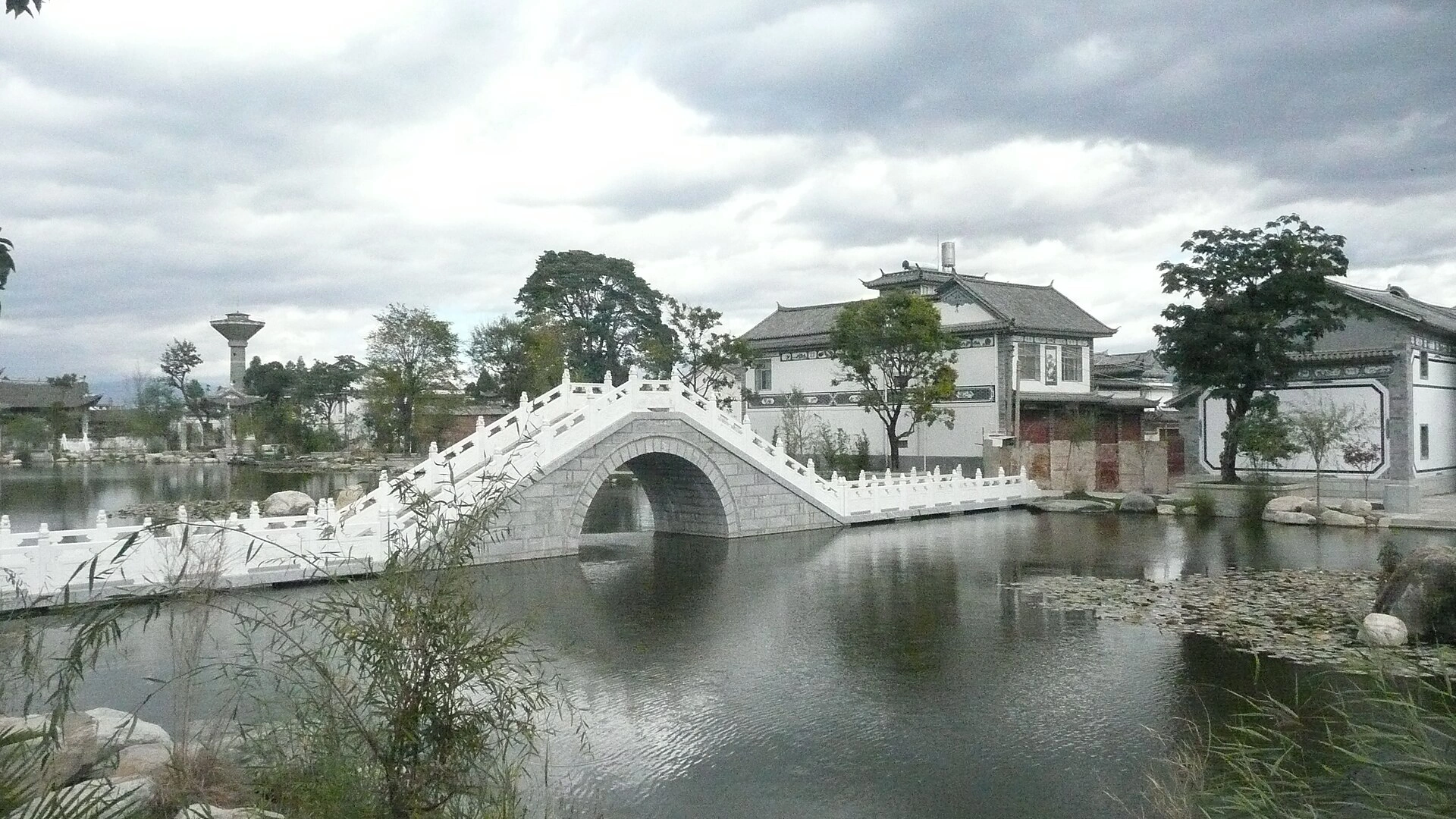
Tucked between the emerald peaks of the Cangshan Mountains and the quiet shores of Erhai Lake, Xizhou Ancient Town feels like a place where time intentionally slowed down. Long before tourists discovered Dali, Xizhou was already thriving as a cultural heartland for the local Bai ethnic group.
Walk through its cobblestone alleys on any given morning and you will see local women in colorful traditional dress carrying woven bamboo baskets to the market, smell the rich aroma of freshly baked flatbread, and hear the gentle rustle of wind moving through surrounding rice fields. If you are looking for an authentic slice of Southwest China that still lives and breathes its heritage, Xizhou is where you will find it.
By Brücke-Osteuropa - Own work, Public Domain
Xizhou's Origins and History
Xizhou’s laid-back rural atmosphere hides a remarkable history spanning more than a thousand years:
Ancient Fortress of Kingdoms: Back in the Tang Dynasty and the eras of the Nanzhao and Dali Kingdoms, Xizhou was a key military garrison and a favored royal retreat for regional rulers.
Flourishing Merchants of the Tea Horse Road: During the late Qing Dynasty, Xizhou emerged as a bustling trade power along the legendary Ancient Tea Horse Road. Wealthy Bai merchant dynasties—famously led by the "Four Great Families" (Yan, Dong, Yang, and Zhao)—built vast commercial networks trading tea, silk, and marble across Asia, using their fortunes to craft the magnificent courtyard mansions you see today.
A Safe Haven During WWII: In the late 1930s, Xizhou offered a quiet sanctuary to scholars when Central China University relocated here from Wuhan. The town also hosted General Chennault’s American Flying Tigers, creating a warm legacy of international friendship that locals still remember warmly.
What Makes Xizhou Ancient Town Unique?
Unlike many restored old towns that turn into night markets after dark, Xizhou remains a real, living community.
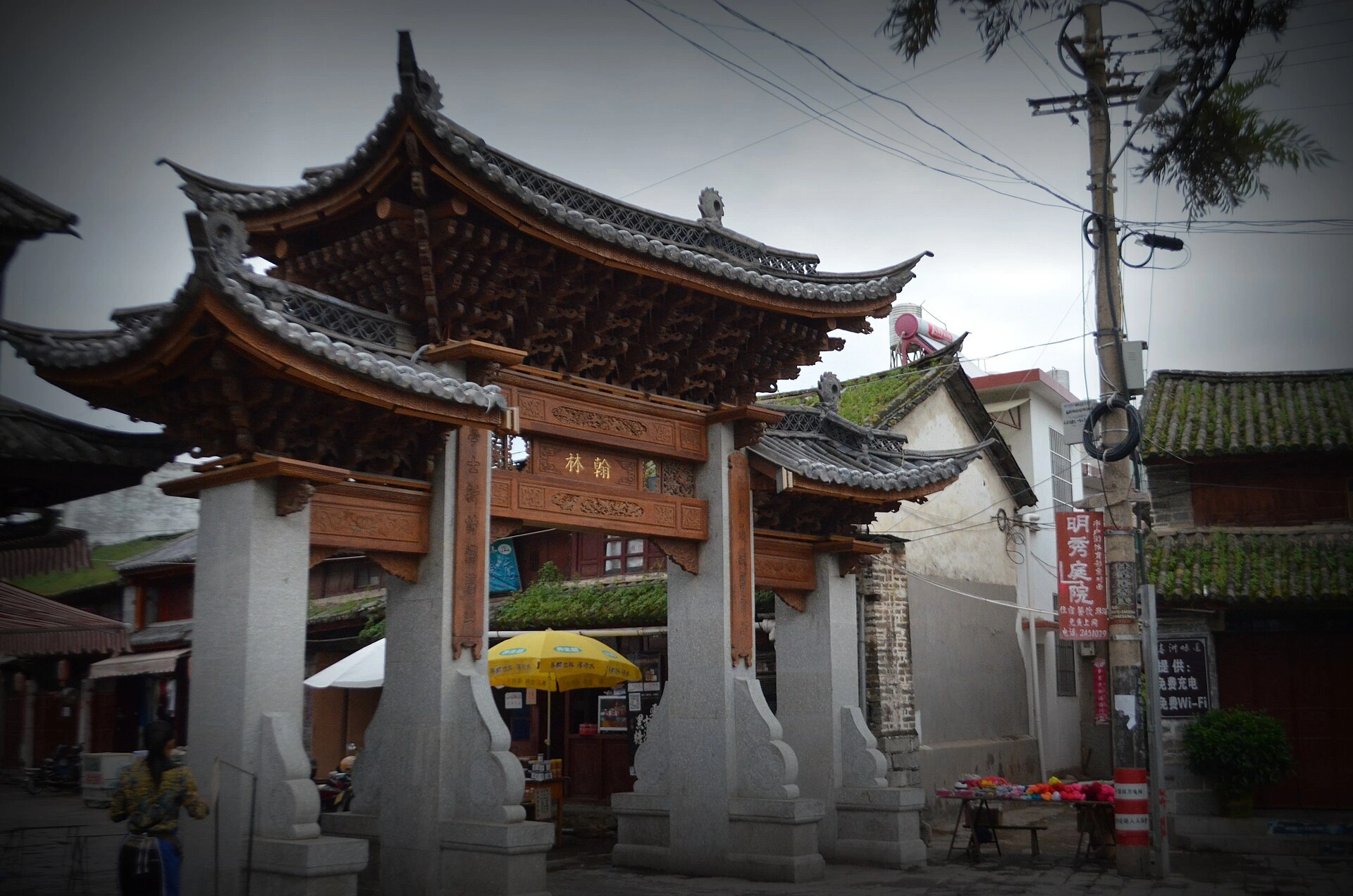
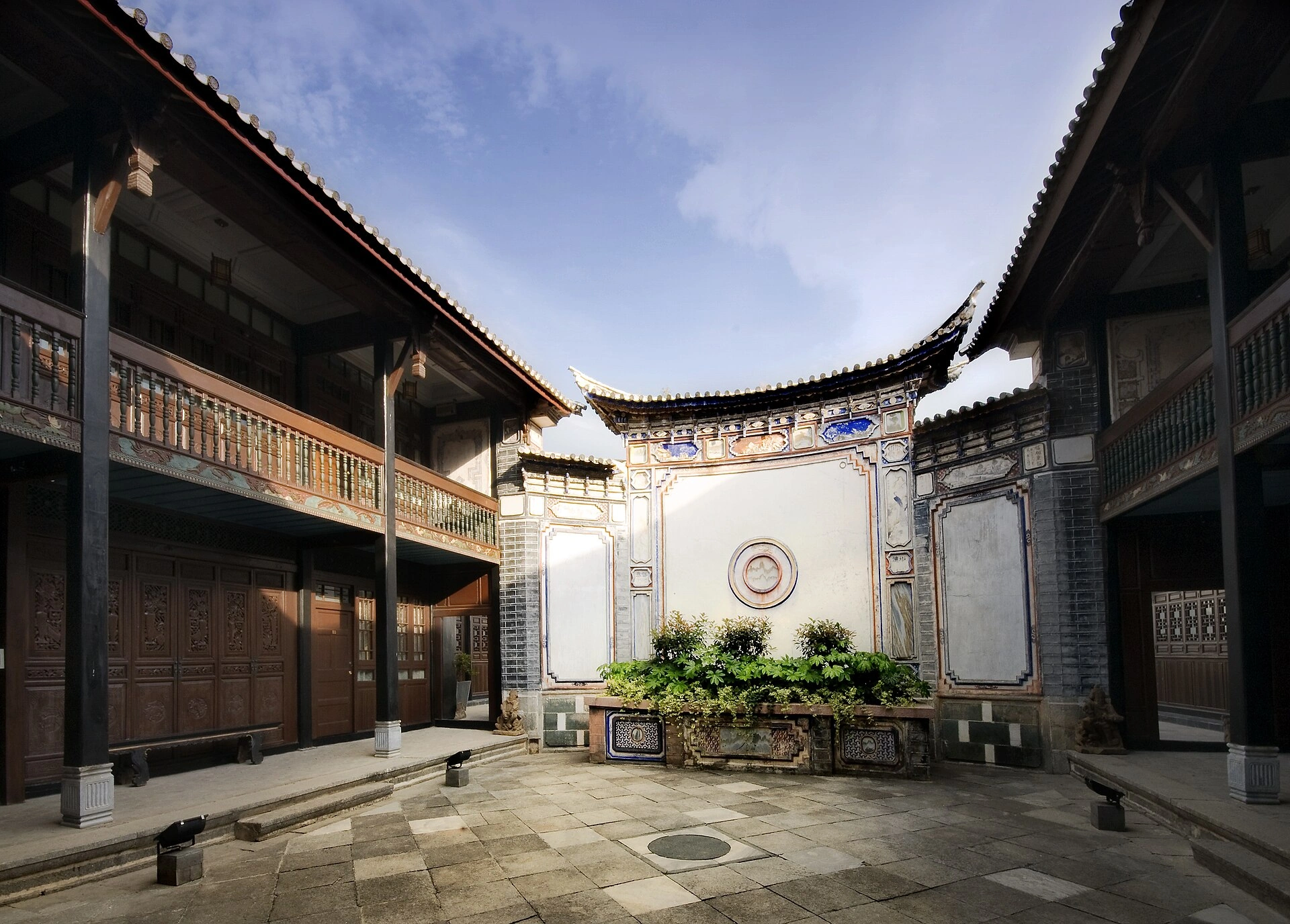
What makes it unforgettable is the harmony between its people, its architecture, and nature. Xizhou is renowned for traditional Bai ethnic architecture, marked by white walls, intricate wood carvings, and delicate charcoal frescoes. Residences follow classic spatial designs like "Three Buildings and One Screen Wall" (Sanfang Yizhaobi) and "Four Courtyards and Five Skylights" (Sihe Wutianjing), created to catch mountain light and invite breeze through open courtyards.
Just beyond these historic walls lie Xizhou’s famous agricultural fields. Depending on when you visit, you will walk alongside vast carpets of neon-green wheat or ocean-like waves of golden rice, framing grey-tiled rooftops against the dramatic Cangshan backdrop.
 By Chris DeLacy - Own work, CC0
Top Attractions & Historic Landmarks in Xizhou
Sifang Street & The Morning Market
Sifang Street is the lively heart of Xizhou. Shaded by two ancient Twin Banyan Trees that have stood for over 300 years, this square has welcomed travelers and caravans for generations.
Come here around 8:00 AM to catch the local morning market. It is a wonderful feast for the senses: Bai grandmothers selling wild herbs and fresh milk cheese (Rushan), vendors frying hot snacks, and neighbors greeting each other in their native dialect.
Historic Bai Merchant Courtyards
Wandering down quiet side streets reveals grand merchant mansions built during Xizhou’s golden commercial era:
The Yan Family Compound (Yan Jia Da Yuan): Built by tea tycoon Yan Zicheng, this grand estate features four interconnected courtyards, carved marble arches, quiet tea verandas, and even a charming 1930s French-style villa tucked away in the rear.
The Linden Centre & Yellow Corner Tower (Yang Pin Xiang Residence): A world-class model of heritage preservation, this national landmark is famous for its warm, yellow-walled Corner Tower standing right at the edge of the rice fields. Today, it operates as a heritage hotel and cultural center.
Dong Family & Zhao Family Compounds: Peaceful and less frequented, these historic homes boast detailed wooden lattice windows and traditional whitewashed Bai murals.
 Chris DeLacy, CC BY-SA 4.0 , via Wikimedia Commons
Cultural Traditions, Folk Arts & Gastronomy in Xizhou
Hands-On Bai Folk Arts & Craftsmanship
Indigo Tie-Dyeing (Zharan): Step inside quiet courtyard studios to try your hand at natural indigo tie-dyeing. Master craftspeople will teach you how to bind raw cotton with thread before dipping it into plant-based dye vats, revealing beautiful indigo patterns when untied.
Jia Ma Woodblock Printing (Jia Ma): Discover the ancient Bai folk art of woodblock printing. You can press ink onto carved wooden blocks to print traditional talismans that feature nature gods and ancestral blessings.
Rooftop Ceramic Guardian Cats (Wamao): Look closely at the roof ridges of Bai homes and you will spot charming ceramic "Tile Cats." These open-mouthed rooftop guardians are crafted by local potters to swallow bad luck and protect the household.
Authentic Bai Cuisine & Tea Culture
Xizhou Baba (Wood-Fired Flatbread): You cannot leave without tasting hot Xizhou Baba. Baked over glowing charcoal in covered iron pans, these flatbreads come in savory (minced pork and scallions) or sweet (brown sugar and rose jam) versions—crispy on the outside, soft and fragrant inside.
The Bai Three-Course Tea (San Dao Cha): Traditionally served to honor welcomed guests, this tea ceremony reflects the journey of life through three distinct brews: bitter tea first, sweet honey-walnut tea second, and a spiced, warm tea with ginger and cinnamon to finish.
How to Reach Xizhou Ancient Town
Xizhou sits about 18 kilometers north of Dali Ancient Town and 30 kilometers from Dali Airport:
By Air & High-Speed Rail: Fly into Dali Fengyi Airport (DLU) or take a 2-hour high-speed train from Kunming to Dali Station. A 30- to 40-minute taxi or local shuttle brings you straight to Xizhou.
By Scenic Lakeside Drive: Take a gentle road trip along the Erhai Ring Road (Huanhai Xi Lu), enjoying panoramic lake views before turning inward toward Xizhou’s green pastures.
By Luxury Tourist Train: For a truly relaxed way to travel Yunnan, guests aboard the Silk Road Express: Tea & Timeless Landscapes step off private carriages straight into curated VIP excursions across Xizhou and Dali.
Once here, leave the car behind—Xizhou is best explored by walking its quiet stone lanes or renting an electric scooter.
Best Time to Visit Xizhou Ancient Town
Xizhou enjoys mild, spring-like weather year-round, but two seasons offer unforgettable scenery:
Spring & Early Summer (March to June): Mild temperatures (15°C to 25°C) and clear mountain skies. The surrounding fields turn a vivid, sea of green wheat.
Autumn Harvest Season (September to November): Crisp, comfortable weather and deep blue skies. In September and October, the wheat and rice fields transform into a sea of golden stalks ready for harvest.
Essential Travel Tips for Visiting Xizhou
Respect Ethnic Customs: When entering traditional Bai homes or shrines, step over the raised wooden door sills rather than on top of them, as stepping on sills is considered disrespectful.
Sun Protection & Shoes: Xizhou sits at an elevation of 2,000 meters, so bring sunblock, a wide hat, and sunglasses. Wear comfortable sneakers for the uneven cobblestone paths.
Local Touches: Have a local craftswoman weave colorful thread ribbons into your hair for a fun, authentic local souvenir.
The Silk Road Express – Tea & Timeless Landscapes
You can now experience Xizhou and Dali as part of an extraordinary Yunnan rail voyage aboard the Silk Road Express (2026 Season) on the "Tea & Timeless Landscapes" route.
Luxury Onboard Living
Designed for just 80 privileged guests across 38 private suites, the train blends Eastern aesthetics with modern luxury. Guests enjoy 270-degree panoramic views in the observation lounge, fine dining crafted with seasonal local ingredients, and onboard leisure amenities including KTV rooms, tea rooms, and cigar lounges.
The Highlight Day: Curated Excursions in Xizhou & Dali
During this curated itinerary, a dedicated highlight day brings guests into the heart of Bai culture:
Artisan Tie-Dye Immersion: Step into a private heritage courtyard in Xizhou for an exclusive tie-dye workshop with master craftspeople.
Private Tea Tasting & Heritage Walk: Enjoy guided strolls past historic merchant compounds, followed by an intimate tasting of Bai Three-Course Tea overlooking the pastoral landscape.
Leisure & Local Flavor: Savor freshly baked Xizhou Baba and explore hidden alleyways at your own relaxed pace before returning to the comfort of your private suite onboard.
Key Destinations Covered on This Voyage
Kunming: The Spring City and cultural starting point of the voyage.
Xishuangbanna: Tropical rainforests, wild Asian elephant corridors, and Dai ethnic traditions.
Dali (Xizhou Ancient Town): Cangshan & Erhai landscapes, historic Bai architecture, and centuries-old artisan heritage.
Consult Us to Plan Your 2026 Rail Voyage
Interested in discovering the detailed day-by-day itinerary or reserving your suite on this exclusive rail voyage?
Consult Us & Discover the 2026 Silk Road Express: Tea & Timeless Landscapes